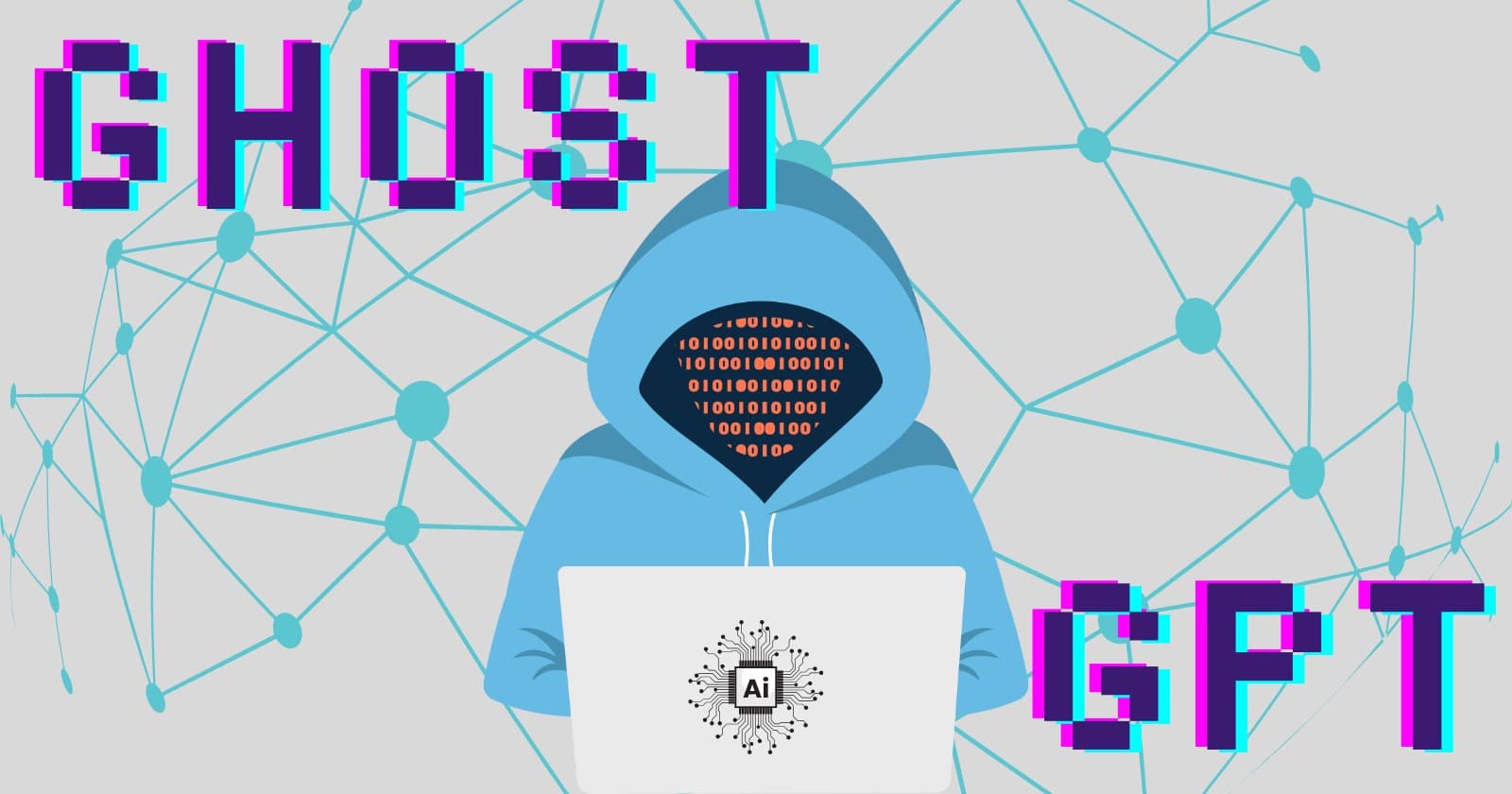
GhostGPT The Latest Uncensored AI Chatbot Fueling Cybercrime
PT FPT Metrodata Indonesia (FMI) is a joint venture between FPT IS and Metrodata Electronics, focusing on providing Cybersecurity-as-a-Service—including SOC, managed security, professional services, consulting, and threat intelligence—to support Indonesia’s rapidly growing digital economy. FMI is expanding into AI and cloud GPU services to deliver innovative protection and solutions for enterprises. Learn more at https://fmisec.com.
Summary
Artificial intelligence (AI) tools have revolutionized everyday tasks, but cybercriminals are increasingly misusing the same technology. In 2023, WormGPT made waves as one of the first uncensored chatbots designed explicitly for malicious purposes. Since then, other variants like WolfGPT and EscapeGPT have emerged, continuing the trend of AI tools being co-opted for illegal activities.
The team at Abnormal Security recently released a blog detailing the rise of GhostGPT, a new uncensored AI chatbot. GhostGPT is marketed to cybercriminals, boasting features that make it easier to create malware, conduct phishing attacks, and perform other illicit actions. This development underscores the growing challenge of ensuring AI is used ethically.
Technical Detail
GhostGPT is an uncensored chatbot designed to serve the needs of cybercriminals. According to Abnormal Security, it likely operates through a wrapper connected to a jailbroken version of ChatGPT or an open-source large language model (LLM). By stripping away the ethical safeguards built into traditional AI models, GhostGPT provides unfiltered responses to harmful queries that responsible AI systems would typically block.
Promotional materials for GhostGPT highlight its key features, which include:
Fast Processing: Enabling quick creation of malicious content, such as phishing templates or malware.
No Logs Policy: Promising users that their activity is not recorded, appealing to those looking to avoid detection.
Easy Access: GhostGPT is sold via Telegram, allowing immediate access without requiring users to jailbreak an AI model themselves or set up complex systems.

While GhostGPT is marketed as a tool for various purposes, including "cybersecurity," its availability on cybercrime forums and focus on business email compromise (BEC) scams suggest it’s primarily used for illicit activities.
Real-World Use Cases
Abnormal Security researchers tested GhostGPT by asking it to generate a phishing email disguised as a DocuSign notification. The result? A highly convincing template that could easily deceive an unsuspecting victim. This example highlights the danger posed by uncensored AI tools, which can be weaponized to bypass traditional filters and deliver sophisticated attacks.

The Implications of GhostGPT
The emergence of GhostGPT raises several concerns that extend beyond this specific chatbot: 1. Lowering the Barrier to Entry: GhostGPT makes cybercrime accessible to less skilled individuals, allowing anyone with access to Telegram to purchase and use the tool. 2. Enhanced Attack Capabilities: By automating the creation of malware, phishing emails, and other malicious content, GhostGPT enables attackers to execute their plans with greater speed and precision. 3. Convenience and Efficiency: Users don’t need advanced technical skills or time-consuming setups to use GhostGPT—it's a plug-and-play solution for committing cybercrimes. 4. Growing Popularity: The high level of interest on cybercrime forums shows that the demand for such tools is increasing, further normalizing the misuse of AI in cybercriminal circles.
Conclusion
The emergence of tools like GhostGPT underscores the pressing need to address the ethical challenges posed by AI. While AI has transformed industries and empowered innovation, its misuse by cybercriminals reveals its darker potential. Uncensored AI chatbots like GhostGPT lower the barriers for malicious activities, making it easier for attackers to launch sophisticated phishing campaigns, create malware, and exploit vulnerabilities at scale.
Organizations should adopt advanced cybersecurity solutions capable of detecting AIgenerated threats. This includes implementing AI-driven anomaly detection systems, threat intelligence platforms, and behavioral analysis tools to identify malicious activity.