Rolling Networks: Securing the Transportation Sector
Phong Xuan
*
Author: Ben Wilkens, cybersecurity principal engineer, NMFTA
When they see an 80,000-pound vehicle rolling down the highway at 65 miles per hour, the first thing most people think about is not cybersecurity.
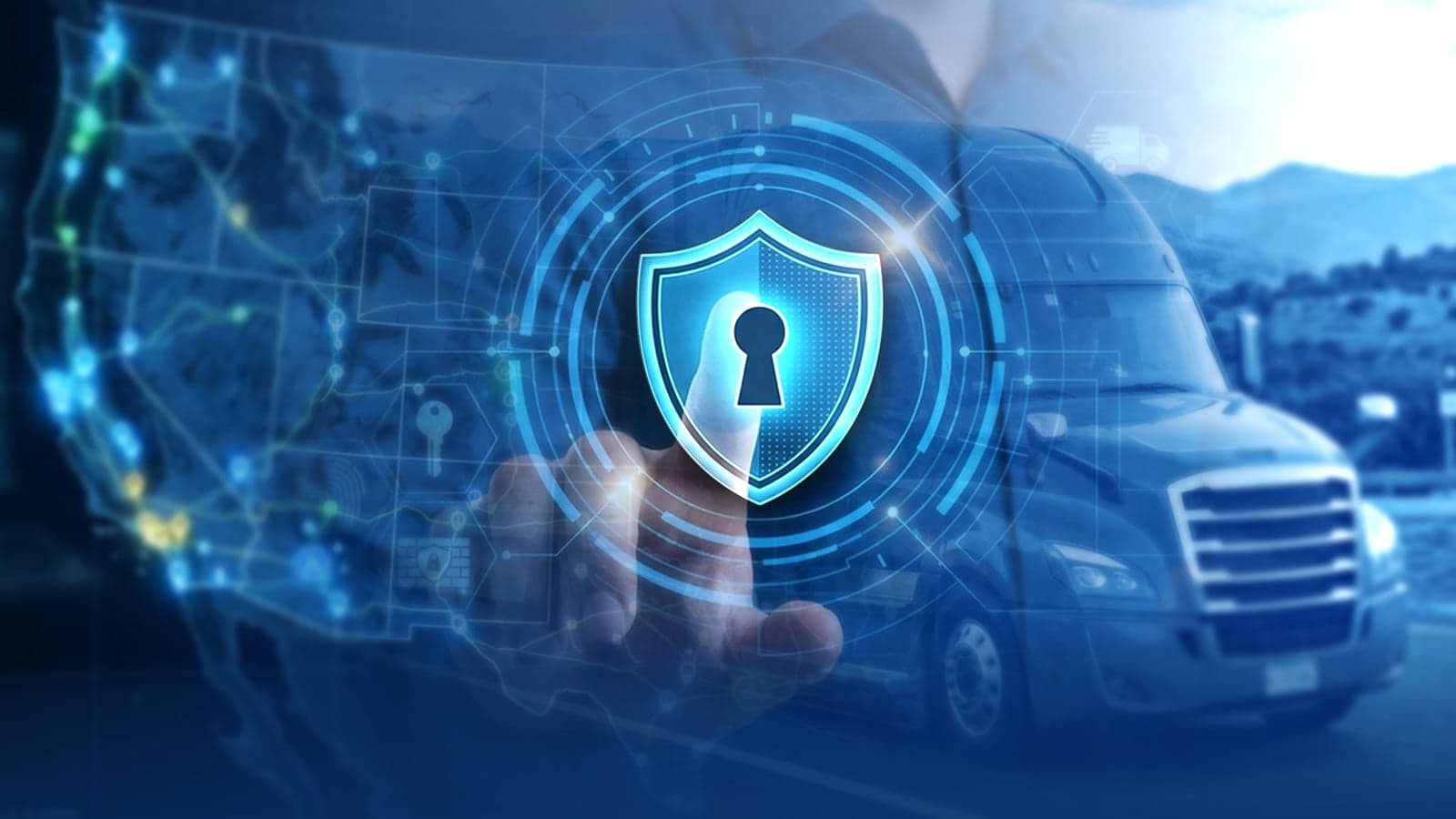
The fact is, these massive vehicles are rolling networks packed with a wide range of communications systems, onboard sensors, cloud connected devices, and Wi-Fi signals. In other words, these mobile assets are loaded with potential attack surfaces.
Trucking is the backbone of one of the critical infrastructure sectors that is central to daily life in North America.
Trucks bring the fuel to our power stations, the medicine to our hospitals; they transport the food to our grocery stores and the fuel to our gas stations. Without trucks, many of these critical supplies run out within three days.
Cybercriminals have realized that this places an enormous amount of pressure on trucking and logistics companies to maintain 100% uptime, and they leverage this with ransomware and extorsion attacks every day.
This is the threat landscape that those working in cybersecurity in the transportation sector, from offensive security practitioners hunting for ways to penetrate the onboard systems that keep these vehicles rolling, to defenders securing the enterprises that support them, see when they look at trucks on the highway.
Atypical Threat Vectors
The threats posed by cybercrime in the transportation sector do not end with traditional cyberattacks. take traditional cyberattack techniques and use them to facilitate the theft of physical cargo.
In 2025 alone there was over $725 Million in reported cargo theft losses according to a recent study from .
These cargo thieves take advantage of lapses in operational security, physical security and cybersecurity with laser-precision to impersonate legitimate brokers and carriers, steal credentials to freight booking sites (“load boards”), and con shippers and freight brokers into releasing freight to bad actors posing as legitimate truck drivers.
Take for example the theft of over $1 million dollars of last Fall; Organized criminals using fabricated identities built a relationship with a freight broker by legitimately hauling multiple loads to build trust.
Once they had established this trust, they targeted this high value shipment by spoofing the GPS signals of onboard tracking devices while they hauled these two loads to their own facilities and they were able to make off with two entire truckloads of rare tequila before the theft was even detected.
Many legitimate drivers are also duped into hauling cargo to warehouses operated by criminals using the stolen digital identities of legitimate freight brokers.
Once delivered to the criminal’s warehouse by this unwitting accomplice, the freight is broken down into numerous other shipments and resold to unsuspecting customers or on the black market or even “Amazon like” store fronts.
Join security practitioners, motor carriers, and technology leaders at NMFTA’s Cybersecurity Conference on September 29 through October 2, 2026 in Long Beach, CA.
Attendees will learn about real-world insights and strategies to protect connected freight systems.
The Good News Story
There is a good new story here too though; due to the fact that traditional cyberattack techniques are the primary methods of attack; core cybersecurity hygiene practices can significantly reduce the risk that trucking organizations face.
Many of the well know cybersecurity frameworks and standards (NIST RMF, ISO 27001, CIS Controls, etc.) apply directly in this instance. Multi-Factor Authentication (MFA), network segmentation, social engineering awareness training, and strict patching schedules are all familiar controls to everyone in cybersecurity.
The caveat here is that the vast majority registered trucking and logistics companies qualify as small businesses or are even single owner operators. This can make the adoption of these standards and attaining a hardened cybersecurity stance challenging.
This fact has led to the need for of these controls, specifically tailored to the various scales of companies that operate in the sector. These are now freely available to the industry and are helping to move the needle in the right direction.
Reducing the cybersecurity risks that the transportation sector is facing is the mission that the cybersecurity team at the National Motor Freight Traffic Association, Inc.® (NMFTA)® supports through research and development, education, and providing opportunities for the security community in the industry to collaborate and share hard-won lessons learned.
Beginning over a decade ago with security research into the physical “rolling assets” (trucks and trailers) and deep dives into telematics systems and electronic logging devices (ELDs) used to monitor driver’s hours of service compliance, NMFTA has brought cybersecurity to the forefront of the conversation in the trucking industry.
More recently their aperture has widened to also include security in the enterprise by providing cybersecurity as well as technical guides to help reduce the risk of cyber-enabled cargo crime.
Every year the NMFTA hosts an unique in the sector where security practitioners, decision makers from across the transportation sector, and many of vendors that provide the industry with the tools needed to combat its security challenges gather to discuss lessons learned, tools of the trade, and the ways to secure the latest in emerging technologies.
The cyber threats facing the transportation sector are real, and they are complex. Through a combination of collaboration, research, and a healthy dose of good old fashioned hard work, this essential backbone of our society is rising to the challenge with the help of many dedicated cybersecurity professionals.
Like so many other industries, transportation is racing to stay one step ahead of cybercriminals’ intent on harm, and emerging technologies opening up a host of new threat vectors. But as someone who has lived and worked in this industry for over two decades, I am optimistic when I look to the future.
When I see a truck rolling down the highway, I see the leading edge of an industry rising to the latest cybersecurity challenges.
Join security practitioners, motor carriers, and technology leaders at to collaborate, share insights, and stay ahead of the evolving cyberthreats facing the transportation sector.
Sponsored and written by .*